The history of vitamin K2 goes back centuries and begins with Japanese samurai warriors who consumed natto, a fermented soy food rich in K2. Historically, the diet likely provided sufficient K2, but unfortunately today the modern diet supplies only limited amounts of vitamin K2.
Vitamin K was first discovered in 1935 by Danish scientist Henrik Dam, who identified it as essential for blood clotting. Initially, research focused on vitamin K1, but it was not until the 1950s that vitamin K2, which includes various menaquinones, was recognized. Pioneering research, including the work of W. Price, highlighted the importance of vitamin K2 for bone and dental health.
After years of being overlooked, vitamin K2 was rediscovered in the 1990s, when significant studies in Japan linked it to bone health and vitamin K–dependent proteins. Around the year 2000, studies examined vitamin K2, bone health, and biomarkers of vitamin K2 status. Later research explored the relationship between vitamin K2 and cardiovascular health.
Vitamin K is a fat-soluble vitamin that naturally occurs in several forms: K1 (phylloquinone) and K2 (menaquinone).
It activates many vitamin K–dependent proteins, such as osteocalcin and matrix Gla protein, which play a role in building and maintaining healthy bone mass and supporting healthy blood circulation and clear arteries.
Activation of osteocalcin
Osteocalcin is a non-enzymatic marker of bone formation, produced by osteoblasts.
Vitamin K₂ is essential for its carboxylation (conversion into its active form).
Carboxylated osteocalcin increases bone density and strength.
Activation of Matrix Gla Protein (MGP)
There are several subtypes of vitamin K2, called menaquinones. The best-known menaquinones are menaquinone-4 (MK-4) and menaquinone-7 (MK-7).
Due to its exceptionally high bioavailability and long half-life, supplementation with vitamin K2 in the form of menaquinone-7 (MK-7) is often preferred, as it ensures sufficient vitamin K availability for the carboxylation of target proteins.
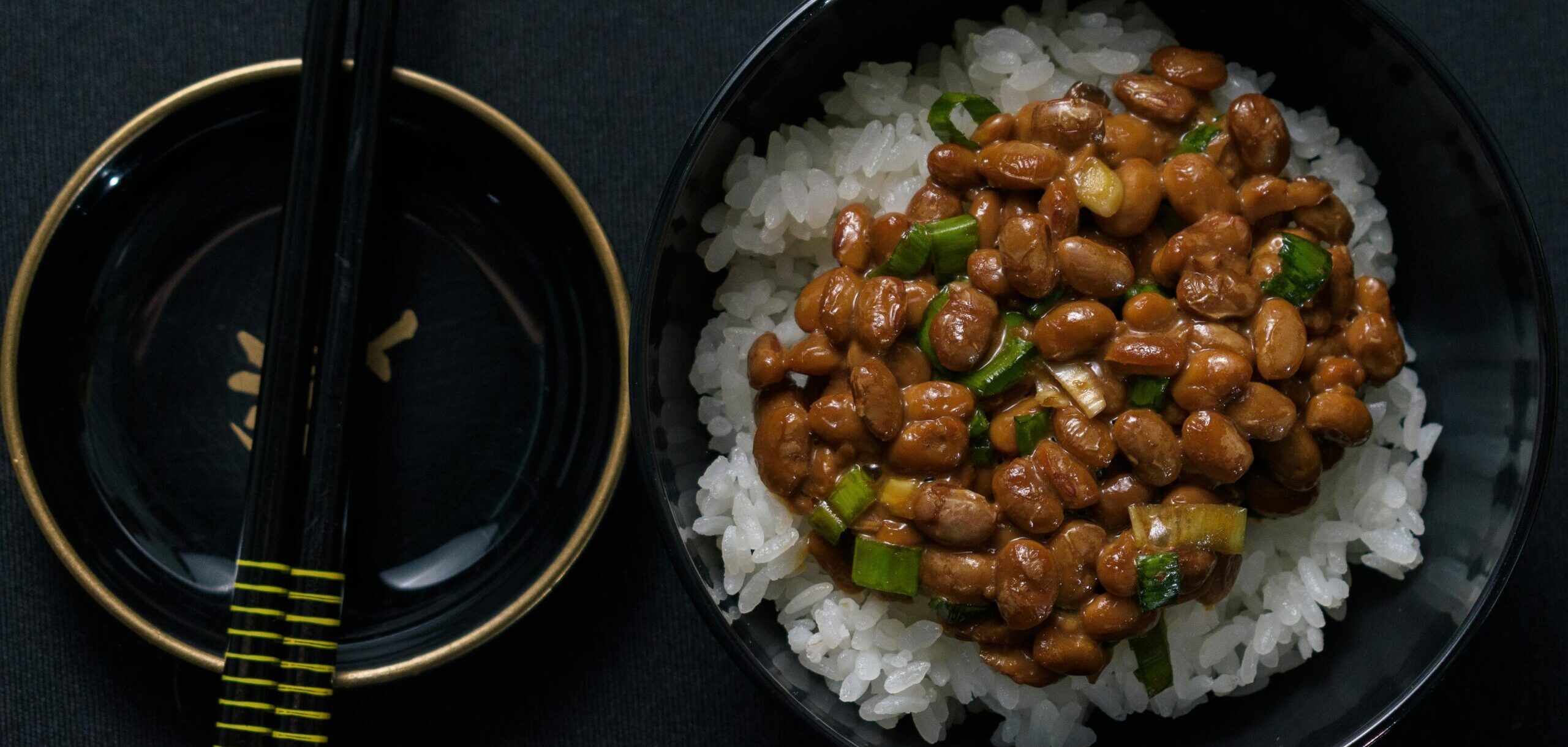
Only 10–25% of total vitamin K intake comes from vitamin K2. Amount of vitamin K2 in various foods (in µg/100 g of food):
| Meat: | 4,5 µg | Egg yolk: | 32 µg |
|---|---|---|---|
| Fish: | 0,9 µg | Natto: | 900 µg |
| Milk: | 1.1 µg | Eel: | 64 µg |
| Cheese: | 40,3 µg | Butter: | 15 µg |
Vitamin K₂ is a central regulator of calcium metabolism. Its effect lies in the enzymatic activation of Gla proteins, which ensure:
From the perspective of long-term prevention of osteoporosis, cardiovascular diseases, and preservation of vascular elasticity, vitamin K₂ (especially MK-7) is a key component of optimal nutrition, especially when combined with vitamin D₃ and calcium.


